Discover why Chitwan National Park is one of Nepal’s most rewarding travel experiences, from jungle safaris to peaceful riverside escapes.
Introduction
Most people land in Nepal thinking about mountains first.
Everest. Annapurna. Snow. Trekking boots.
Then someone casually mentions Chitwan, usually over coffee in Kathmandu or during a slow evening in Lalitpur, and suddenly the trip starts changing direction.
A few days later, you’re sitting quietly in a canoe drifting through misty water while a crocodile rests along the riverbank and birds cut across the morning sky. No traffic. No horns. No rush to get somewhere.
That contrast is exactly why Chitwan National Park stays with people long after they leave Nepal.
For travelers spending more than just a week here remote workers, long-stay guests, families relocating temporarily, or even people recovering from burnout after hectic schedules Chitwan offers a completely different rhythm from Kathmandu Valley.
It feels slower in the best possible way.
Chitwan Shows a Different Side of Nepal
One thing many international travelers don’t expect is how geographically diverse Nepal actually is.
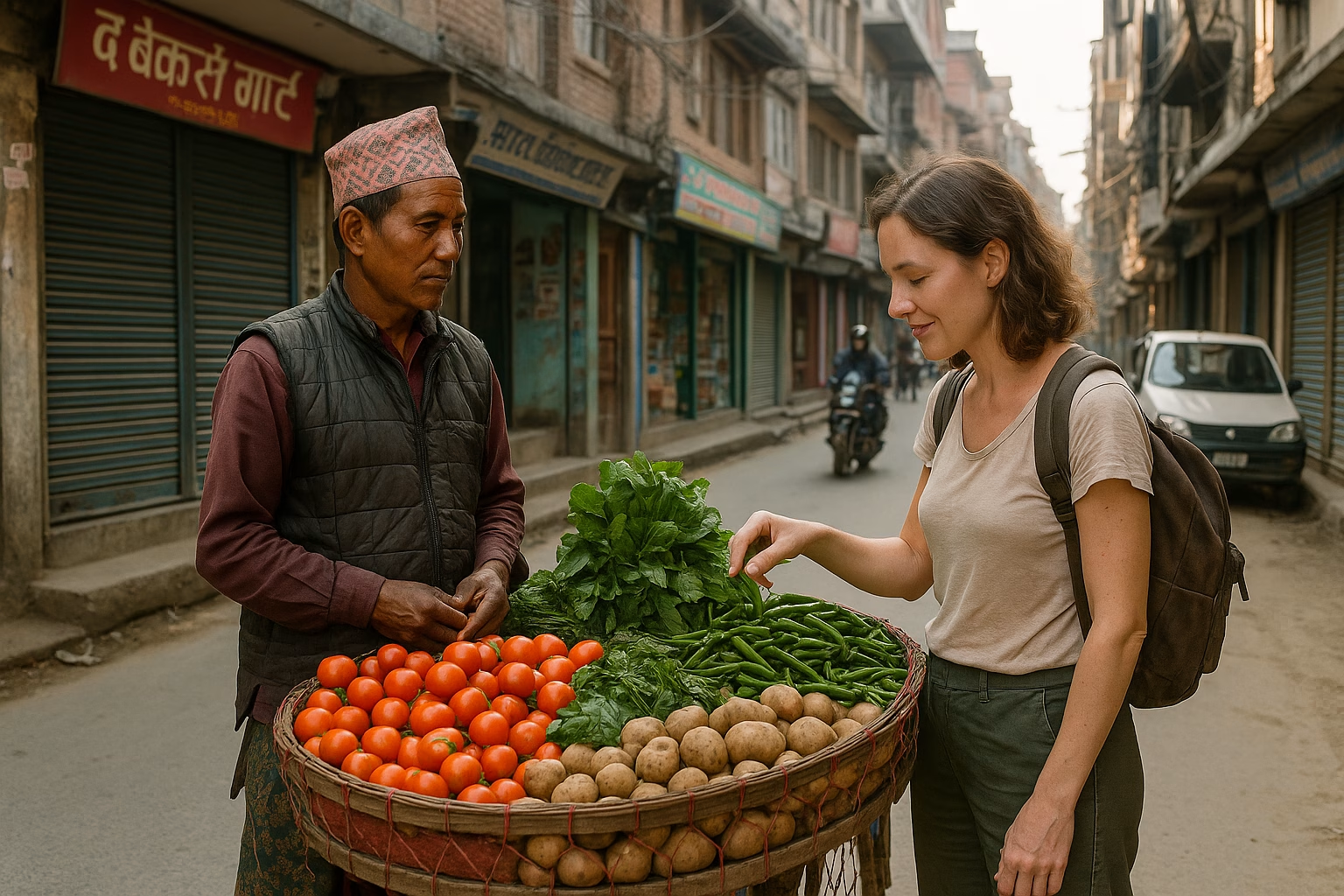
Within a single trip, you can move from crowded urban neighborhoods in Kathmandu to subtropical jungle landscapes filled with rhinos, elephants, and dense forests. Chitwan National Park sits in Nepal’s southern lowlands, and honestly, it barely resembles the Himalayan image most people arrive with.
That’s part of its appeal.
The air feels warmer. The roads flatten out. Rice fields replace steep hillsides. Even the pace of conversation seems calmer.
Chitwan National Park became Nepal’s first national park back in 1973, and over the years it has grown into one of the country’s most important conservation areas. Travelers visit primarily for wildlife safaris, but the experience usually becomes much more than that.
There’s also the atmosphere of the place itself.
The quiet riverbanks. Early morning fog hanging over the jungle. Local tea shops opening slowly after sunrise. The sound of insects at night replacing city traffic.
It’s a side of Nepal that travel publications like Nepali Times and The Kathmandu Post Travel often highlight because it feels so different from the classic trekking narrative.

The Safari Experience Feels Surprisingly Relaxed
Some people hear the word “safari” and imagine something exhausting or overly touristy.
Chitwan usually feels much more relaxed than that.
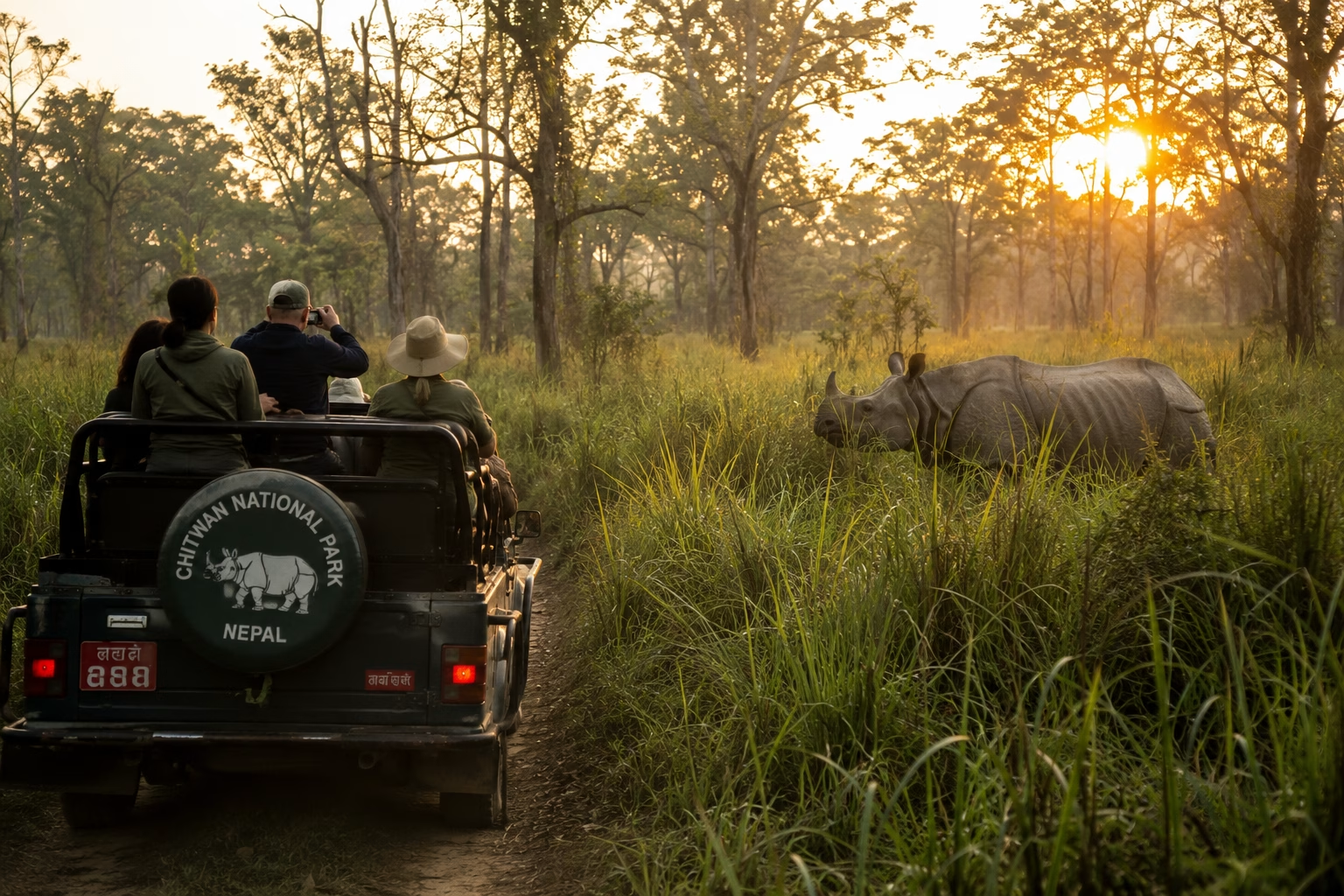
A typical day might start with tea before sunrise, followed by a jeep safari through tall grasslands where rhinos wander surprisingly close to the trails. By afternoon, travelers are usually back near the riverside, eating lunch slowly or escaping the heat indoors before another activity later in the evening.
There’s excitement, but there’s also stillness.
That balance matters, especially for long-term travelers who aren’t trying to pack every hour with activities.
The jeep safaris themselves are memorable largely because the wildlife encounters feel natural rather than staged. Rhinos are commonly spotted. Deer move through the forests constantly. Crocodiles appear near the riverbanks. Tiger sightings are rare, but somehow that uncertainty makes the jungle feel more authentic.
Even travelers who normally aren’t interested in wildlife often end up enjoying Chitwan because the experience isn’t only about animals. It’s also about stepping away from noise and routines for a while.

More Than Just Wildlife
Chitwan works best when you don’t rush it.
People who stay only one night often leave feeling like they barely experienced the place properly. Two or three days feels more realistic.
That extra time lets you slow down enough to enjoy the smaller moments.
A quiet canoe ride at sunrise. Watching local fishermen along the river. Walking through Tharu villages and noticing how different daily life feels compared to Kathmandu. Sitting outdoors after dinner while the jungle sounds grow louder at night.
The Tharu cultural side of Chitwan is also worth experiencing properly. Their connection to the region goes back generations, and local community experiences add depth to the trip beyond safari tourism.
Many visitors come expecting wildlife and leave remembering the atmosphere instead.

Why Long-Stay Travelers Often Appreciate Chitwan More
Interestingly, Chitwan tends to become even more meaningful for people spending extended time in Nepal.
Short-term tourists enjoy it, of course. But travelers staying for several weeks or months usually experience it differently.
After spending enough time navigating Kathmandu traffic, adapting to new routines, or balancing remote work schedules, Chitwan starts feeling less like a tourist stop and more like a reset button.
That’s especially true for people staying around Jawalakhel or Lalitpur, where daily life can become busy despite the area being calmer than central Kathmandu.
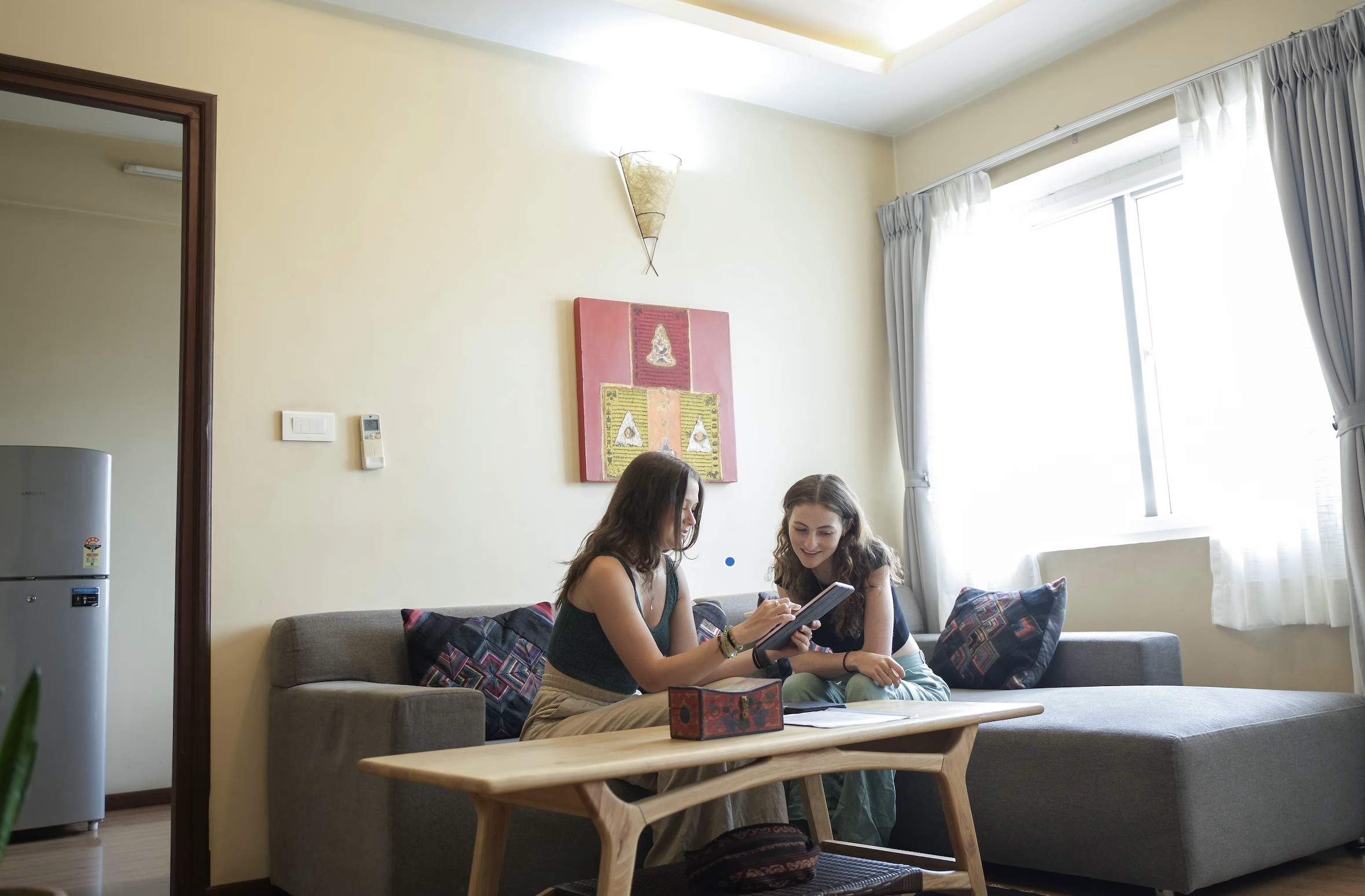
Many long-stay guests at Shaligram Apartment Hotel often look for places outside the valley where they can briefly disconnect without needing a major expedition. Chitwan fits naturally into that kind of lifestyle because it’s accessible, comfortable, and doesn’t require intense planning.
After a few days in the jungle, returning to a peaceful apartment-style stay with kitchen facilities, quieter surroundings, and wellness-focused spaces tends to feel noticeably different compared to staying in busier tourist districts.
For remote workers especially, that balance between activity and recovery becomes important during longer stays in Nepal.
The Best Time to Visit Chitwan National Park
October through March is usually considered the best period to visit.
The weather stays more comfortable, visibility improves, and safari conditions are generally better. Winter mornings can be surprisingly foggy, especially near the river, but those early hours are also some of the most beautiful times to be outside.
Birdwatchers especially love this season.
Spring brings warmer temperatures and greener landscapes, while monsoon season transforms the park into a dense tropical environment. Roads can become slower during heavy rain, though some travelers genuinely enjoy how dramatic and lush the jungle feels during that time.
If you’re combining Chitwan with a longer Nepal itinerary, the cooler months usually make travel easier overall.
A Few Practical Things Travelers Should Know
Chitwan is comfortable, but it helps to arrive with realistic expectations.
The jungle can be humid. Roads between cities may take longer than expected. Internet speeds vary depending on where you stay. Some safari rides can feel dusty during dry months.
But honestly, that’s part of what makes the experience feel real rather than polished for tourists.
A few simple tips make a difference:
- Wear lightweight neutral-colored clothing
- Bring insect repellent
- Stay at least two nights if possible
- Expect slower travel times from Kathmandu during holidays
- Don’t build the trip entirely around tiger sightings
The best memories in Chitwan usually come from the atmosphere itself, not from checking wildlife off a list.
For broader Nepal travel inspiration and regional travel perspectives, publications like Follow Alice Travel Section and Lonely Planet Asia also regularly feature destinations across Nepal beyond the usual trekking routes.
FAQ Section
Is Chitwan National Park worth visiting in Nepal?
Yes, especially for travelers wanting to experience a different side of Nepal beyond mountains and trekking. The combination of wildlife, local culture, and slower travel makes it unique.
How many days should you spend in Chitwan?
Two to three days is ideal for most travelers. It allows enough time for safaris, canoe rides, and enjoying the pace of the area without rushing.
What animals can you see in Chitwan National Park?
Visitors commonly see one-horned rhinos, crocodiles, deer, monkeys, elephants, and many bird species. Bengal tigers exist in the park but are rarely seen.
When is the best time to visit Chitwan National Park?
October to March is generally considered the best season due to cooler temperatures and better safari conditions.
Can families and older travelers visit Chitwan comfortably?
Yes. Chitwan is one of Nepal’s more accessible wildlife destinations and works well for families, older travelers, and people who prefer moderate-paced travel.
Conclusion
Chitwan National Park isn’t the loudest destination in Nepal.
That’s probably why people remember it so clearly.
There’s no pressure to accomplish something there. No race to the next viewpoint. No feeling that you constantly need to move.
Instead, the experience unfolds gradually through quiet mornings, long stretches of jungle road, riverside evenings, and the strange calm that comes from being surrounded by nature after spending time in busy cities.
For travelers building a longer life or journey in Nepal, even temporarily, places like Chitwan often become the part of the trip they talk about most once they return home.
QUICK READ
Learn more about Hotel Shaligram
Patan Durbar Square – UNESCO World Heritage Site
Nearby Areas :
Sanepa, Jhamsikhel, Pulchowk, UN House, Patan Durbar Square
About Hotel Shaligram
Shaligram Apartment Hotel is located in Jawalakhel, one of Lalitpur’s most peaceful and upscale areas. It is close to schools, clinics, the UN House, and Patan’s historic district, which usually makes it a practical choice for professionals, families, and long-stay guests.
About the Author:
Grace is a travel blog writer with a soft spot for rooftop views, warm breakfasts, and WiFi that actually works. She covers travel tips, expat living, and digital nomad hacks with one suitcase and zero fluff. If it’s comfy, cosy, and comes with great coffee she’s writing about it.